★★★★★
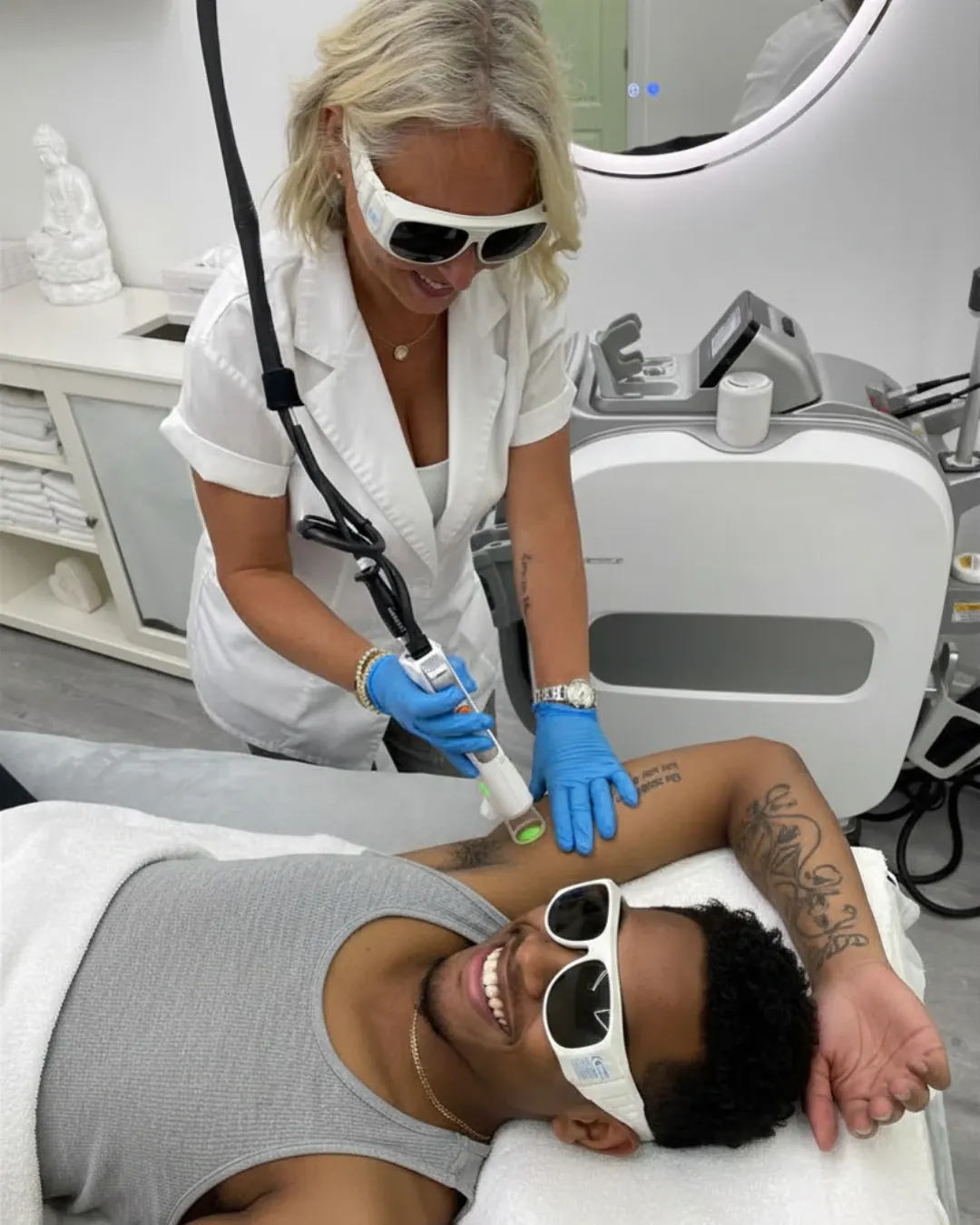
“Had a great experience doing laser with Mary! Treatment was quick and professional. Worth the investment!”
Hair Thickness · Curl Pattern · Individual Assessment
Hair texture is one part of laser planning. Dark, coarse hair often provides a clearer target, while fine or lightly pigmented hair can be less predictable. Curly, wavy, and straight hair can all be assessed based on colour, thickness, density, skin tone, treatment area, hormones, and current skin condition.
Free consultation · Required test patch for new clients · Individual plan
Online Booking
Free laser consultations and required test patches for new clients are available at both Aroma laser clinics. Choose Bloor with Mary or Yonge with Stanka and Enza.
Bloor & Bathurst
Downtown Toronto consultation with Mary and Clarity II.
Yonge & Davisville
Midtown Toronto consultation with Stanka or Enza and Quanta Duetto MT EVO.
Hair thickness and density can affect how clearly the laser can target a hair, but texture is only one part of the assessment. Hair colour, skin tone, treatment area, hormones, current tanning, medication, and the condition of the skin also influence the plan. Curl pattern by itself does not determine whether laser will work.
Dark, coarse terminal hair often gives the laser a clearer pigment target. Fine dark hair may still be assessed, but very fine, lightly pigmented, blonde, red, grey, white, or peach-fuzz-like hair may respond poorly or may not be suitable. We check the actual hair in person instead of promising results from a label alone.
Every new laser client starts with a free consultation and a required test patch before the first full treatment. This lets us assess suitability, skin response, realistic expectations, and the safest next step.
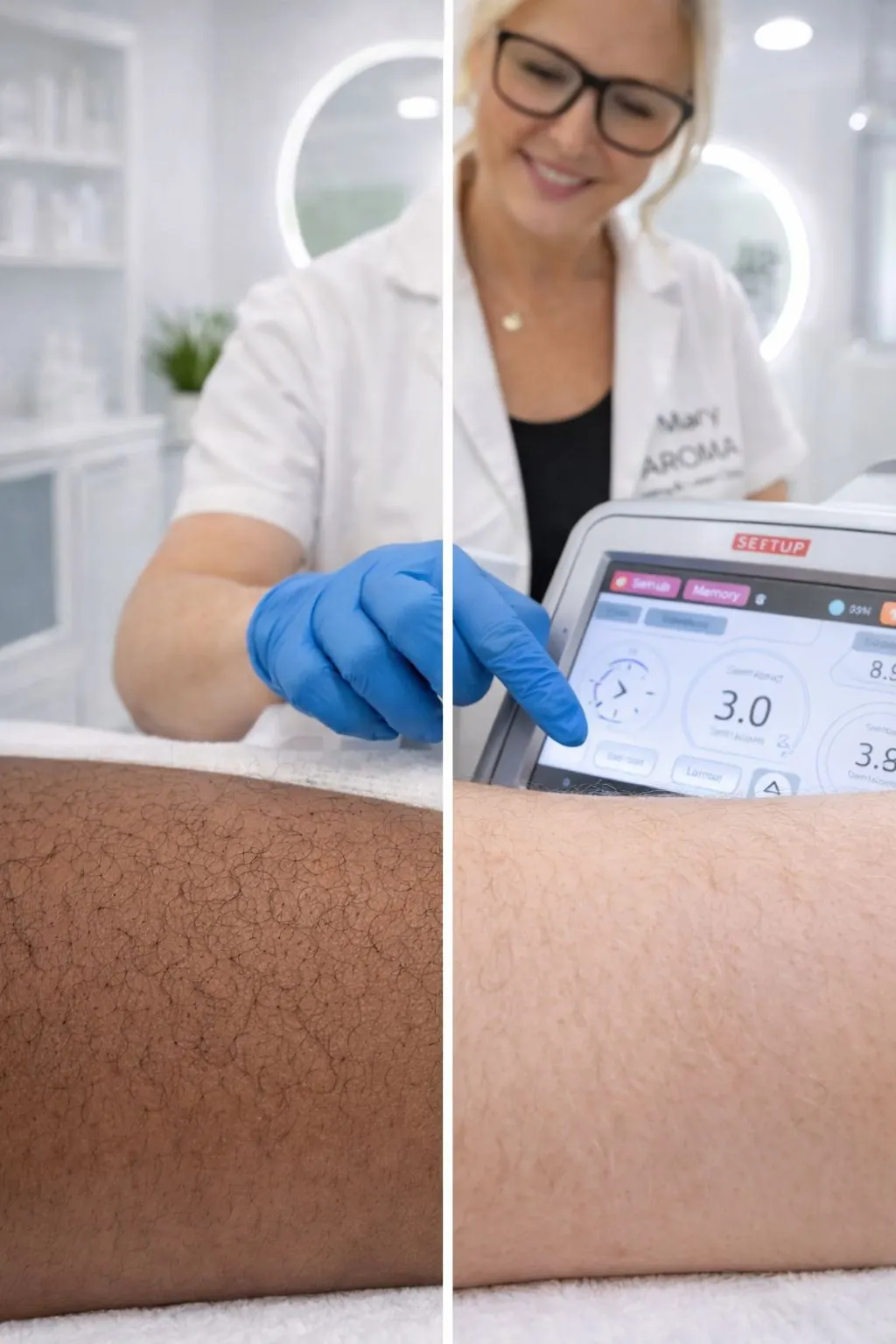
Characteristics: Thick, terminal hairs that may be dense or dark. Thickness does not guarantee pigment, so colour is assessed separately.
Laser response: Dark, coarse hair often responds well because it usually provides a clearer target. Most clients still need an initial series, typically about 6 to 7 sessions, with individual variation.
Treatment approach: Settings are chosen individually after checking skin tone, hair colour, thickness, treatment area, current tanning, and the required test patch.
Common areas: Men's beards, underarms, pubic area, legs in some individuals.
Characteristics: Hair with moderate thickness. Colour, density, and contrast with the skin still vary from person to person.
Laser response: May respond well when there is enough pigment. An initial series is commonly about 6 to 7 sessions, but the number can change by area and individual response.
Treatment approach: Wavelength, settings, and spacing are selected from the full skin-and-hair assessment, not thickness alone.
Common areas: Most body areas including arms, legs, back, and chest.
Characteristics: Thin or soft hairs. Fine hair can be dark or light, so thickness and pigment must be evaluated separately.
Laser response: Fine dark hair may be assessed, but very fine or lightly pigmented hair can be less predictable. Very fine facial or peach-fuzz-like hair may not be a suitable laser target.
Treatment approach: Consultation and the required test patch help determine whether there is enough target pigment and whether treatment is appropriate.
Common areas: Face and arms are common places where fine hair needs especially careful suitability assessment.
Characteristics: Coiled, curly, or wavy hair can be fine, medium, or coarse and can contain different levels of pigment.
Laser response: Curl pattern alone does not predict response. Pigment, thickness, skin tone, area, and hormones are more important to the assessment.
Treatment approach: The technician assesses the hair and skin, selects appropriate settings, and reviews the required test-patch response before full treatment.
Common areas: Curly or wavy hair can appear on any treatment area, including the face, underarms, bikini, legs, chest, and back.
Characteristics: Straight hair can be fine, medium, or coarse and can range from deeply pigmented to very light.
Laser response: Straight hair can be suitable, but response depends on pigment, thickness, skin tone, treatment area, and individual hair growth.
Treatment approach: Treatment is planned from the same individual assessment and required test patch used for every other hair texture.
Common areas: Straight hair can appear on any facial or body treatment area.
Target Identification
Laser targets pigment in the hair. Dark, pigmented terminal hairs usually provide a clearer target than very fine or lightly pigmented hairs.
Settings Adjustment
Settings are selected after reviewing skin tone, hair colour, thickness, treatment area, current tanning, and the test-patch response.
Treatment Planning
Session spacing and the total number of treatments depend on the area, regrowth, hormones, hair characteristics, and individual response.
Hair Cycles
Hair grows in cycles, and different treatment areas can show active regrowth at different times.
Session Spacing
Facial areas are commonly spaced around 4 weeks apart and body areas around 6 weeks apart, with adjustments when appropriate.
Target Achievement
Expectations are based on hair pigment and thickness, skin tone, area, hormones, consistency, and observed response.
Clarity II at Bloor and Quanta Duetto MT EVO at Yonge both provide Alexandrite and Nd:YAG options. The technician chooses the approach after assessing the client.
We review hair colour, thickness, density, curl pattern, skin tone, tanning, treatment area, medication, hormones, and medical history before recommending a plan.
We explain when hair looks like a strong target, when results may be limited, and when laser may not be the right option. Every new client receives a required test patch.
Hair texture is only one part of the plan. The guides below add the skin, colour, and technology details people usually ask next.
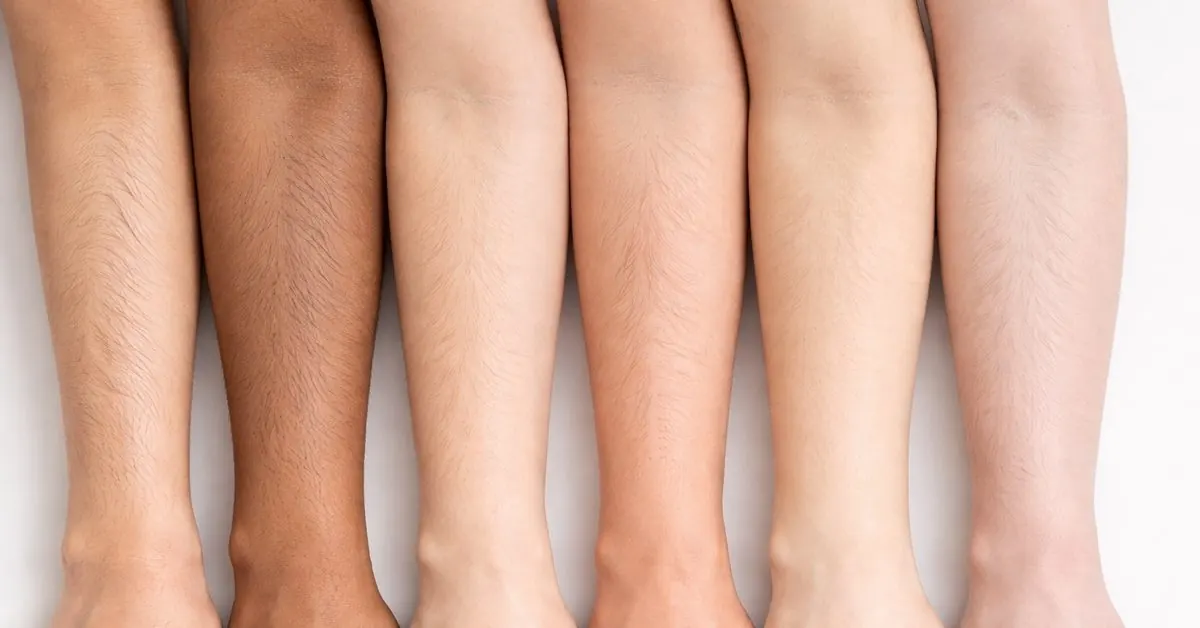
See how dark, medium, fine, and lighter hairs can respond differently.
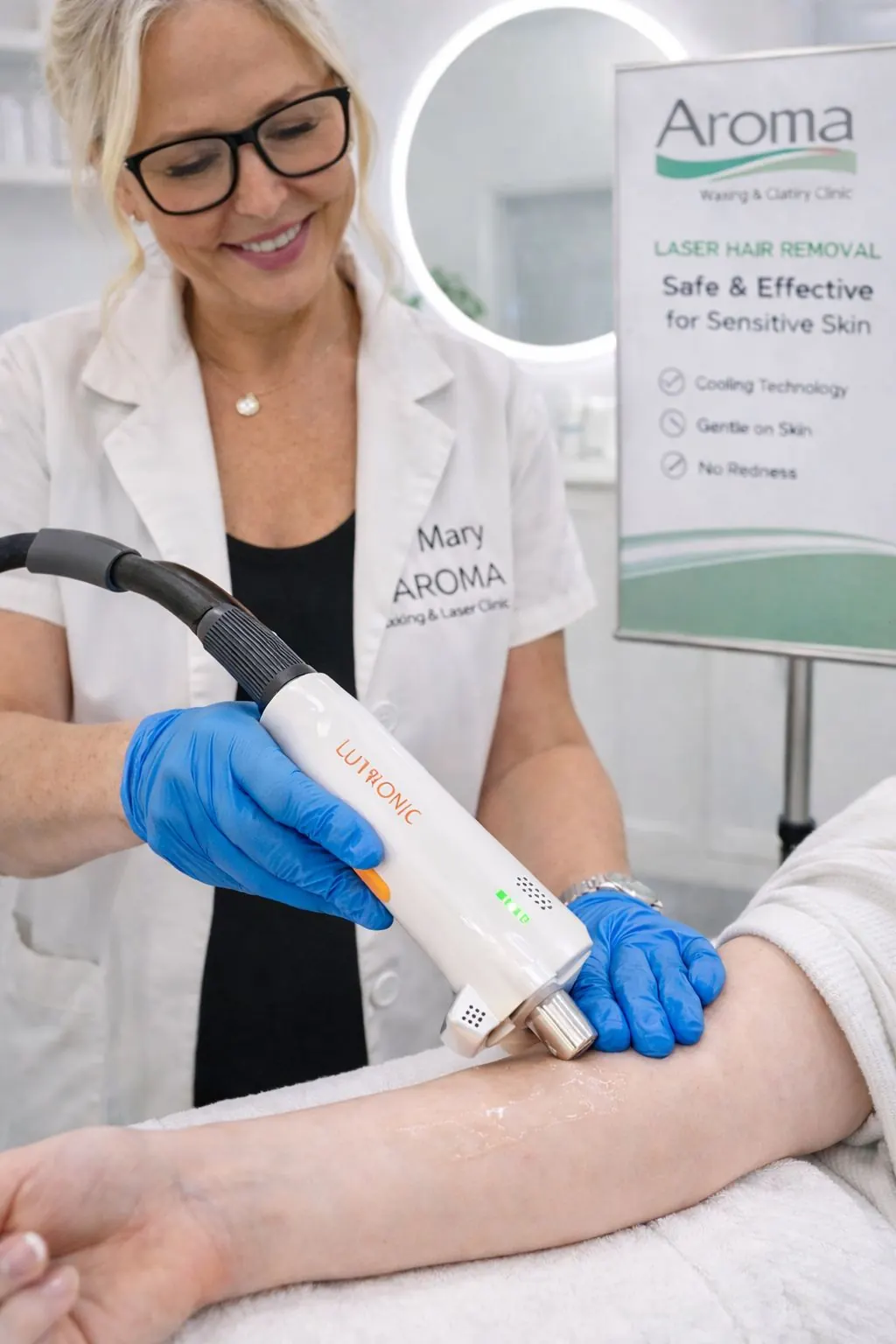
Helpful when comfort, skin response, and irritation history need extra care during planning.
Helpful when surface heat, wavelength choice, and technician judgment matter most.
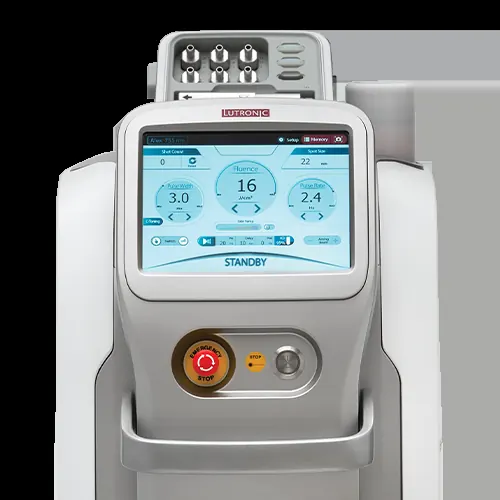
Learn more about one of the systems used to tailor treatment to skin and hair.
You may also want to explore Midtown Toronto laser hair removal, Downtown Toronto laser hair removal, sensitive skin laser guide, free consultation, and Toronto laser hub.
Important: Hair texture treatment results vary by individual and depend on factors such as hair colour, hair thickness, skin tone, hormones, treatment area, and consistency with the recommended treatment schedule. Consultation required. Treatment suitability, settings, and expected results are determined during your consultation based on your skin and hair profile.
Helpful Laser Links
Use these laser guides to compare areas, check pricing, prepare for your appointment, and keep your treatment plan easy to follow.
Start with a free consultation and required test patch. We assess hair colour, thickness, density, curl pattern, skin tone, treatment area, hormones, and current skin condition before recommending a realistic plan.
Client reviews
Real Google review highlights from clients who mention laser comfort, professional care, and results.
“Had a great experience doing laser with Mary! Treatment was quick and professional. Worth the investment!”
“I decided to laser the Brazilian and underarm areas recently after 3 years of regularly coming to Aroma for waxing, and have had a great experience every time. Mary has been an absolute gem, and the sessions are thorough, painless, fun, and efficient! I…”
“I had an amazing experience at Aroma Waxing and Laser Clinic on Yonge, and I can’t recommend Enza enough. She is professional, knowledgeable, and makes you feel comfortable from the moment you walk in.”